The Charity-Shop Six: Pre-Loved Books That Leave the Bestseller Charts Standing
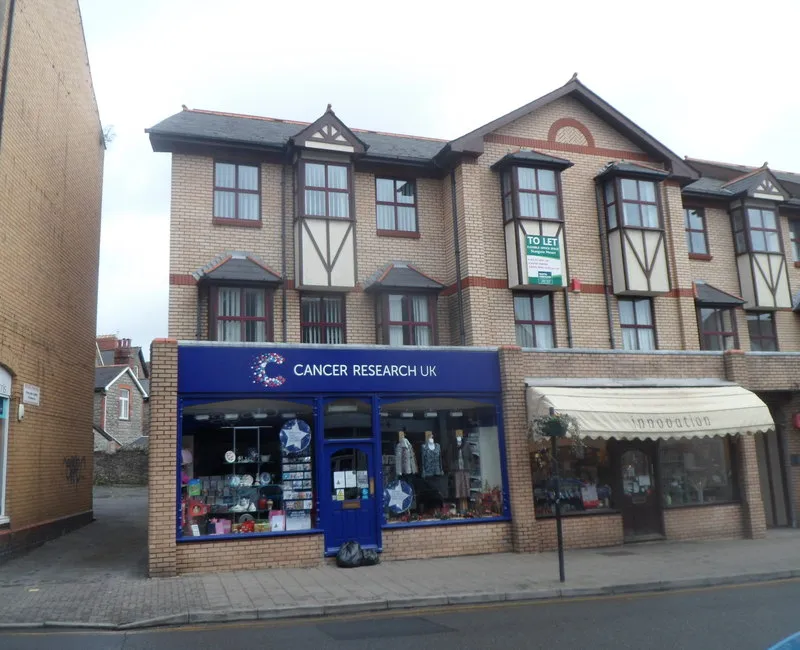
Photo: Jaggery , CC BY-SA 2.0, via Wikimedia Commons
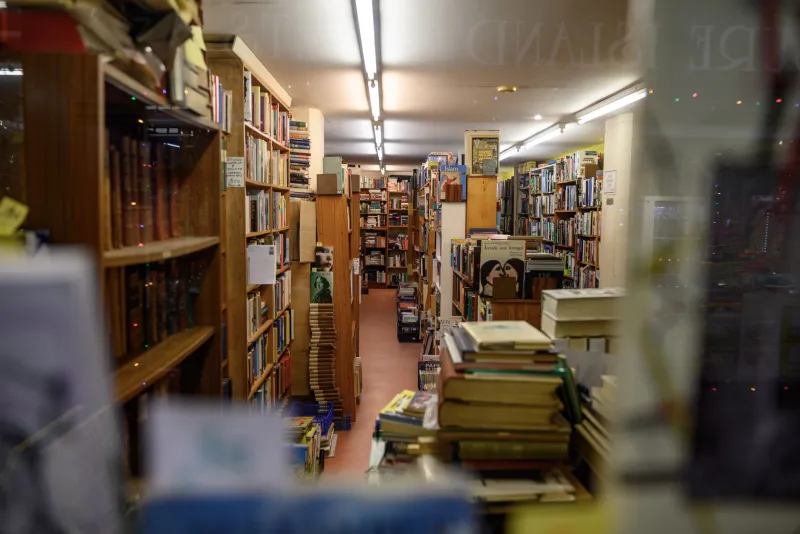
Charity shops are not the poor relation of the bookshop. They are the best bookshop in Britain, if you like surprises. The bestseller charts give you what everyone else is reading. The charity-shop shelf gives you what someone else once loved, forgot, donated, and accidentally left a bus ticket inside. In 2026, with new paperbacks costing the price of a decent lunch, that shelf is not just charming. It is sensible.
This is not nostalgia for a vanished high street. It is a field guide. The stock changes hourly, the volunteers are not booksellers, and the pricing is often gloriously arbitrary. That is the point. You are not shopping for a title; you are shopping for a possibility.
Why charity shops beat the charts
A chain bookshop is curated by publishers, buyers and algorithms. A charity shop is curated by chance. Somebody's aunt dies; a house is cleared; a box of paperbacks goes to Oxfam. A student leaves a suitcase behind. A book club disbands. The result is a shelf that mixes Maggie O'Farrell with a 1970s guide to keeping goats and a Virago paperback with a cracked spine and a name in pencil.
You cannot search for that online. You can only turn up, crouch down, and look. The reward is not just a cheap book. It is the feeling of finding something that was never meant to be a commodity — a book with a previous life, a pressed flower, a shopping list from 1998. In a world of same-day delivery, that is a small, civilised thrill.
The six to hunt
These are not rarities in the 'locked glass cabinet' sense. They are the finds that make a charity-shop rummage worthwhile: books with a bit of history, a bit of design, and a good chance of being overlooked by the person who priced them at £1.50.
1. Virago Modern Classics
The green spines, the black band, the distinctive cover art: Virago Modern Classics are the charity-shop collector's gateway drug. The imprint rescued neglected women writers and gave them covers you want to frame. Look for names like Barbara Comyns, Antonia White, Stevie Smith, Elizabeth Taylor (the novelist, not the actress), and Sylvia Townsend Warner. Not every Virago is valuable, but the early printings are lovely objects, and the introductions often tell you exactly why the book mattered.
What to check: the spine for the Virago logo, the copyright page for the printing history, and the cover for the distinctive 1980s/90s design. Don't ignore ex-library copies; a bit of stamping is part of the story. Do avoid mould, water damage, and spines that crack open like a biscuit.
2. Overlooked 1980s Booker nominees
The 1980s Booker shortlist is a graveyard of excellent novels that never became obvious classics. We are talking about books like Timothy Mo's 'Sour Sweet', William Boyd's 'An Ice-Cream War' and Anita Brookner's 'Look at Me' — novels that were celebrated at the time and then quietly slipped out of the conversation. They turn up in old Picador and Penguin editions, often with a faded 'shortlisted for the Booker Prize' flash on the cover.
What to check: the publisher's list at the front, the copyright page, and whether the cover is the original 1980s design rather than a modern reissue. A tatty old paperback with a period cover is often more interesting than a pristine reprint. If you find a hardback in a dust jacket, hold on to it.
3. Penguin Modern Classics with orange spines
The orange Penguin is a design icon, but the Modern Classics range is where the reading is. These are the 20th-century novels, essays and memoirs that Penguin deemed worth keeping — often in those beautiful orange-and-white paperbacks from the 1960s to the 1980s. Look for the old 'Penguin Modern Classics' logo, the price in old money, and the slightly stiff, matte card.
What to check: the first page for the series list, the spine for reading creases (a well-read copy is fine; a falling-apart copy is not), and the cover for sun-fading. The joy here is not investment. It is finding a cheap, handsome edition of a book you actually want to read.
4. The Women's Press science fiction
This is a proper charity-shop rabbit hole. The Women's Press, founded in 1977, published feminist science fiction and fantasy in distinctive editions — often with bold, strange cover art and a logo that looks like a spiral or a small press mark. They published authors who were hard to find elsewhere, and many of those books are now out of print.
What to check: the publisher's name on the spine, the 'The Women's Press' logo, and the blurb. Condition matters more here: 1980s paperbacks can be brittle. But if you find a clean copy of a feminist SF novel you have never heard of, take the risk. That is what the shelf is for.
5. Faber & Faber poetry and plays
Faber has one of the great British poetry lists, and its older paperbacks turn up in charity shops with pleasing regularity. Look for the old 'ff' logo, the plain typographic covers, and names like Philip Larkin, Ted Hughes, Seamus Heaney, Thom Gunn, or the plays of Samuel Beckett. A Faber paperback from the 1970s or 1980s is often a better object than a modern reprint.
What to check: whether it is a first edition (the copyright page will tell you), whether the cover is intact, and whether there are annotations. A previous owner's notes in a poetry book can be a nuisance or a delight. If the notes are in pencil and the price is 99p, it is probably a delight.
6. Old Everyman's Library hardbacks
The old Everyman's Library — not the modern reissues — is the charity-shop equivalent of finding a decent armchair: solid, clothbound, often with gold lettering and a ribbon marker. They were published in their thousands, so they are not necessarily rare, but they are beautiful and built to last.
What to check: the cloth binding for fraying, the hinges for cracking, and the pages for foxing (brown spots). A little foxing is acceptable; a broken hinge is not. Look for the Dent or Everyman imprint on the spine, and check whether the dust jacket is present. A jacket doubles the charm, even if it is tatty.
How to spot a gem in 2026
First, slow down. Charity-shop books are not arranged by algorithm; they are arranged by whoever was on shift. Scan the whole shelf, not just the eye-level row. Look at spines, then covers, then copyright pages.
Second, check the copyright page. It tells you the publisher, the printing history, and whether the book is a first edition or a reprint. 'First published in 1982' is useful; 'Reprinted 1994' less so. But remember: a reprint can still be a lovely reading copy.
Third, use your phone — but sparingly. If you think you have found something special, check sold prices on eBay or AbeBooks. Do not scan every barcode; you will miss the fun. The best finds are often the ones that make you think, 'I have no idea what this is, but I like the cover.'
Fourth, be honest about condition. Charity shops are not antique dealers. They may not have noticed a cracked spine or a missing title page. Flip through the book. Smell it. If it smells of damp, leave it. If it falls open at page 87, leave it unless you plan to rebind it.
Finally, remember why you are there. You are not building an investment portfolio. You are giving a book a second reader. The best charity-shop find is not the most valuable one; it is the one you actually read, enjoy, and pass on.
The Boz verdict
The bestseller charts will always be there, glossy and new. The charity-shop shelf is a different pleasure: unpredictable, cheap, and full of books that have already lived a little. Take a tote bag. Take a pound coin. Take your time. And if you find a Virago with a name in pencil and a bus ticket from 1998 inside, buy it. That is not just a book. That is a small piece of someone else's reading life, waiting for yours.