The Thank-You Detectives: Six 2026 Novels Whose Acknowledgements Did the Selling
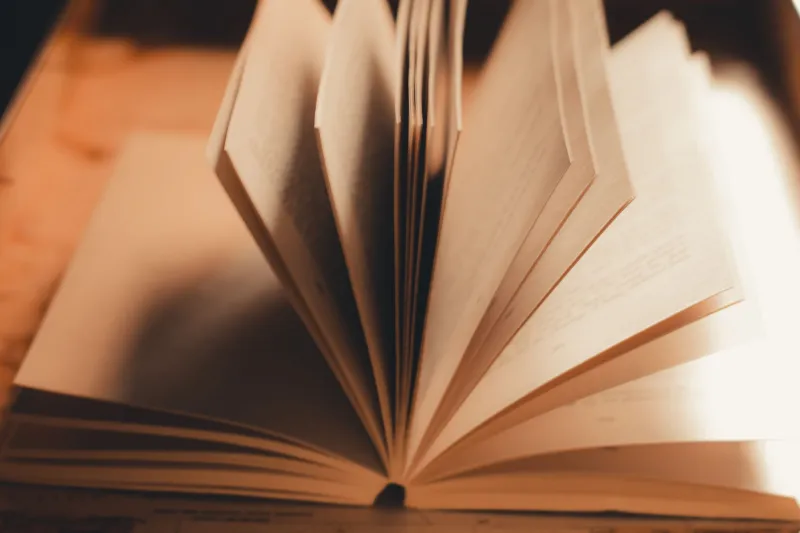
There is a particular sort of reader — and yes, I am one — who finishes a novel, sits for a moment, then flips to the acknowledgements before the credits have even cooled. Not because we are nosy, although we are. Because the back pages are where the book stops performing.
A blurb is written to sell you something. An acknowledgements page is written after the selling is done, when the author is tired, grateful and just specific enough to be dangerous. In 2026, those pages have become my favourite part of the reading experience: a guest list, a confession and a quiet map of how books actually get made.
The back page is the most honest blurb in the shop
Publishing likes to present itself as a smooth machine: author, agent, editor, publication. The acknowledgements tell a messier, warmer story. There is the editor who rang at 9pm with a fix for chapter nineteen. The freelance copy-editor who caught the same continuity error three times. The independent bookshop that hosted a reading when nobody came. The partner who kept the kettle on through draft four.
That is not just sentiment. It is information. If a novelist thanks a bookshop in Whitby, a library team in Powys and a reading group who told them the ending was too tidy, you learn something about the book’s DNA. You learn it was tested on real readers. You learn it did not arrive fully formed from a marketing meeting.
For book clubs, this is gold. Acknowledgements often name the people who argued with the author. Those are exactly the people you want in your discussion.
Six 2026 novels whose thank-yous did the recommending
‘The Salt Harvest’ by Mira Ellwood. The back pages thank a small London indie editor, a Yorkshire bookshop and ‘the Tuesday reading group in Whitby who told me the ending was too tidy’. I have rarely been so quickly persuaded to reopen a novel. A book shaped by readers who were allowed to complain is usually a book worth arguing with.
‘Small Hours at the Lido’ by Jonah Price. Price thanks a sensitivity reader, two swimming-pool managers and a friend who ‘read it on a phone in a hospital corridor’. That last detail tells you more about the novel’s emotional weather than any jacket copy could. It is a book about public spaces and private crises, and the acknowledgements wear that on their sleeve.
‘The Last Telephone Box’ by Rhiannon Vale. Vale thanks library staff in Powys, a Welsh-language consultant and a neighbour who ‘kept the dog while I rewrote the middle’. This is the sort of list that makes you trust a rural novel: it has been checked, lived with and walked around. I went back to the first page looking for the patience the thank-yous implied.
‘A History of Rain’ by Tomasz Nowak. Nowak’s acknowledgements are a short masterclass in UK publishing’s freelance ecology: a structural editor, a proofreader, an archivist at a county record office and a bookbinder in Bristol. None of those names are famous. All of them shaped the book. The novel feels assembled with care, and the back pages explain why.
‘The Ledger of Lost Things’ by Priya Menon. Menon thanks a local history librarian, a beta-reading group made up of NHS workers and a friend who ‘told me to stop explaining the ending’. That single line sent me back to the final chapter with a red pen. It is also the most useful piece of writing advice I have read this year.
‘Northbound, Slowly’ by Ewan McCrae. McCrae thanks a Scottish bookshop, a rail worker who checked the timetable details and a partner who ‘put up with the maps on the kitchen table for eleven months’. It is a quiet, precise novel, and the acknowledgements make clear that the precision was not accidental. The back page is a receipt for the research.
What the thank-yous reveal about publishing in 2026
Read enough acknowledgements and patterns emerge. The 2026 lists are full of freelance editors, sensitivity readers, librarians, independent booksellers and patient spouses. They are less glossy than the industry likes to pretend, and more communal. The book may have one name on the cover, but the back pages show a small village behind it.
They also show how recommendations really travel. A bookshop hand-sell, a library hold, a reading-group argument, a friend’s note in the margin — these are the forces that push a novel from ‘heard of it’ to ‘read it’. The acknowledgements are the only place where those forces are named out loud.
At Bozbooks, we are not suggesting you ignore the blurb. But if you want to know whether a novel has been tested, argued over and loved into shape, start at the back. The acknowledgements are the most honest recommendation engine in books.
A book-club test for the back pages
Try this at your next meeting: before you discuss the novel, read the acknowledgements aloud. Ask three questions. Who did the author lean on? What does that tell you about the book’s subject or structure? And does the list make you trust the novel more, less, or differently?
You will be surprised how often the back page explains the front. A thank-you to a sensitivity reader can open up a conversation about character. A nod to a record office can make you notice the research. A line about a partner reading fourteen drafts can soften a group’s view of a messy ending.
It is also a pleasant reminder that books are made by people, not algorithms. In a year when every shop window shouts ‘must-read’, the acknowledgements whisper something more useful: here is who helped, and here is why it took so long.
Next time you close a 2026 novel, do not close it entirely. Flip back. The best recommendation might be hiding in the thank-yous.